



I still remember the summer of 2016. It was ridiculously hot, my cheap desk fan was rattling like a lawnmower, and literally every Discord server I was in was losing its collective mind over a game that hadn’t even fully launched yet. Blizzard had somehow cracked the code. They gave us a shooter, sure, but what they actually delivered was a character-generation machine that captured the collective imagination of the entire internet. It was an overnight sensation, a colorful explosion of hope and energy that felt entirely fresh. But beneath the surface of the payload escorts and high-energy ultimate callouts, another phenomenon was quietly gathering steam. Actually, “quietly” is the wrong word entirely it was a roaring digital avalanche.
Let’s be entirely real for a second. If you have spent more than five minutes on the internet in the last eight years, you already know what I’m talking about. To discuss this game’s legacy without mentioning the absolute titan that is overwatch rule 34 is like trying to write a history of the ocean while pretending water doesn’t exist. It is a massive, self-sustaining ecosystem of digital art, animation, and community interaction that has, in many bizarre ways, outlived the mainstream cultural dominance of the game itself. It’s an fascinating, sometimes baffling corner of internet history that deserves a closer look, far beyond the initial shock value.
The Unstoppable Engine of Overwatch Rule 34
It’s easy to dismiss this entire phenomenon as just another weird internet quirk, but from a purely analytical standpoint, the scale of it is staggering. We aren’t just talking about a few crude MS Paint drawings hidden away in the dark corners of Reddit. This is a highly sophisticated, multi-million-dollar underground creative industry. Some of the 3D animators and 2D illustrators working in this space possess technical skills that would make industry veterans sweat. They are utilizing state-of-the-art rendering software, complex physics engines, and custom-built lighting rigs to produce content that often rivals the visual fidelity of Blizzard’s own cinematic trailers.
Think about how we used to play around on an old-school doll dress up game back in the flash-era web, customizing avatars to look exactly how we wanted. Now, multiply that basic creative urge by a million, give the creators access to professional-grade tools like Blender and Source Filmmaker, and set them loose on a roster of incredibly charismatic characters. The result is a level of user-generated content that is practically unprecedented in gaming history. For years, while the community waited through long content droughts between major Overwatch updates, it was this massive creative engine that kept these characters alive in the public consciousness. It created a parallel lore, an alternate universe where the heroes actually got to interact, argue, and live lives outside of the rigid constraints of a 5v5 competitive match.
Why These Overwatch Characters Captured the Public Imagination
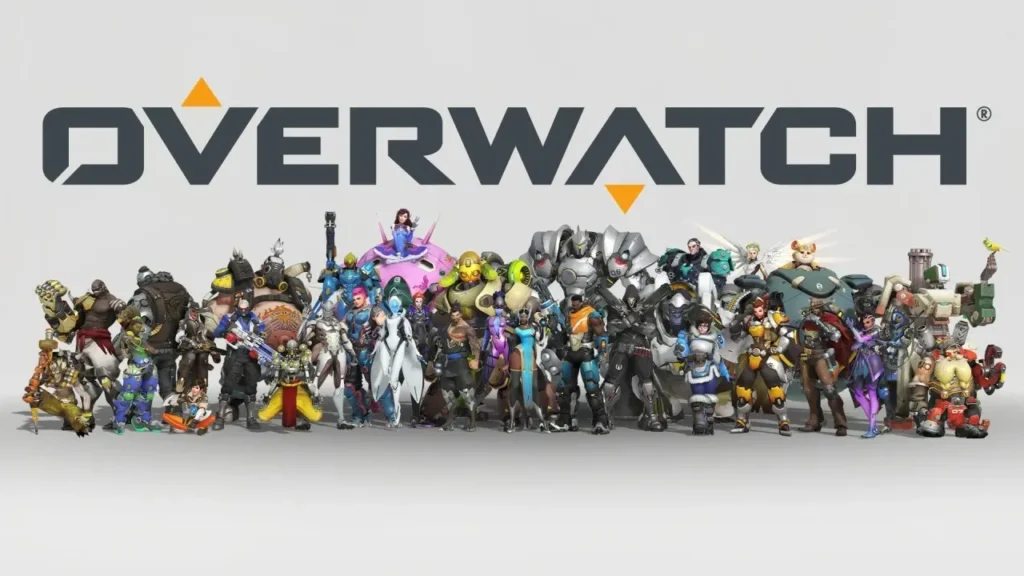
So, why this game? Why not other massive shooters like Call of Duty or Counter-Strike? Well, the answer lies in the brilliant, almost devious character design choices Blizzard made during development. When they created the original lineup of Overwatch characters, they didn’t just design solid gameplay archetypes; they built highly expressive, deeply distinct archetypes of human personality. Every single hero had a highly recognizable silhouette, a vibrant color palette, and a personality that practically jumped off the screen. From Tracer’s infectious, energetic optimism to Mercy’s elegant, maternal grace, these figures were instantly relatable and incredibly easy to project onto.
During my years of tracking digital trends, I’ve noticed that communities always gravitate toward characters with strong visual identities. The roster of Overwatch heroes provided the perfect canvas. They were diverse, stylized, and packed with charm. This charm is so universally recognized that these characters have transcended their own shooter genre entirely, occasionally popping up in parodies, viral memes, and even casual references on free web-based gaming platforms. The sheer variety in the cast ensured that there was someone for everyone, establishing a deeply personal connection between the audience and the digital avatars they controlled.
How Overwatch 2 and Modern Updates Kept the Scene Alive
When Blizzard finally announced Overwatch 2, the competitive community was understandably focused on the shift to 5v5, the removal of double-shield metas, and the balance changes that would inevitably rewrite the competitive landscape. But the creative community was looking at something else entirely: the updated engine and high-fidelity character models. The developers had meticulously overhauled the shaders, enhanced skin rendering, and updated the default outfits for the entire roster. It was like pouring high-octane fuel directly onto an already raging fire. The community spent weeks analyzing the subtle texture differences and polygon counts of the new models with the intensity of forensic scientists.
Whether your idea of gaming fun is the high-stakes, adrenaline-pumping speed of an extreme car racing experience or the slow, tactical dance of a hero shooter, you have to appreciate the sheer dedication of a fanbase that dissects patch notes not just for gameplay buffs, but for model updates. Every time a new hero is introduced or a balance patch shifts the current Overwatch tier list, the fan art community responds in real-time. A character getting buffed in-game often translates to a massive surge in their artistic popularity online. It’s a bizarre, symbiotic relationship where the competitive meta and the underground creative scene move in perfect, weird harmony.
Let’s Clear the Air: Frequently Asked Questions
Why are Overwatch heroes so much more popular for fan art than characters from other games?
It ultimately comes down to Blizzard’s masterful use of distinct visual silhouettes, expressive animations, and vibrant character personalities. Unlike realistic military shooters where characters blend into a sea of tactical gear and mud, these heroes are designed like animated movie stars, making them incredibly appealing to artists of all backgrounds.
How did the transition to Overwatch 2 affect the creative community?
The upgrade to the game engine brought significantly higher-resolution models, better lighting, and updated designs. For creators, this meant a massive leap in visual quality, allowing them to produce content that looks incredibly polished and professional with far less manual cleaning required.
Is the prevalence of overwatch rule 34 actually harmful to the game’s official brand?
While corporate PR teams might publicly ignore it, the reality is highly complex. While it certainly creates some awkward brand association, this massive wave of fan-generated content has kept the characters relevant during long periods without official updates, acting as a massive, free marketing engine that keeps the intellectual property firmly rooted in internet culture.
How can I stay up to date with the latest official game changes and the competitive meta?
To keep track of how the game is evolving, you should regularly check official Blizzard patch notes and community-driven resources. These updates detail changes to hero kits, map pools, and the shifting Overwatch tier list, which heavily influences how both the competitive and casual communities engage with the game.
The Final Verdict on a Digital Phenomenon
At the end of the day, the massive, chaotic, and endlessly creative world surrounding these characters is a testament to the power of modern fandom. It’s easy to laugh, cringe, or look away, but you cannot deny the sheer cultural impact. It is a striking reminder that once a creator releases their work into the digital wild, the audience takes ownership in ways that no corporate marketing team could ever predict or control. It’s weird, it’s wild, it’s occasionally exhausting but it’s also undeniably human.